
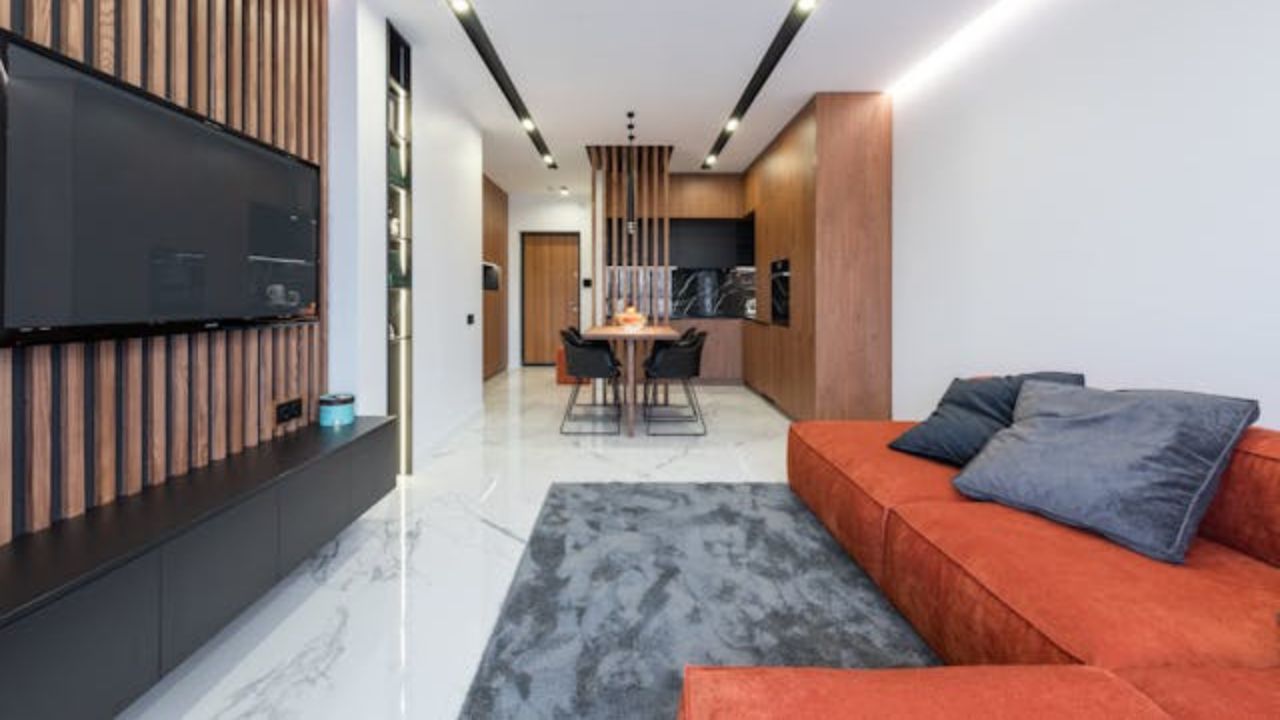
The year 2025 promises to consolidate trends that reflect changes in contemporary lifestyles: cozier, more sustainable, tech-savvy, and above all, personalized spaces.
Architects and interior designers point to a clear movement toward balancing aesthetics, functionality, and well-being.
+ 5 outdated trends that architects don’t recommend for your home
Check out the 6 main home trends for 2025 and how to apply them to your home:
1. Biophilia: total integration with nature
Biophilia stands out as one of the strongest trends in 2025, aiming to bring nature indoors and improve quality of life. This translates not only into the use of ornamental plants but also the incorporation of natural materials and organic textures, such as:
- Reforested wood;
- Natural stones;
- Fibers like linen, jute, and bamboo.
In addition to vertical gardens and scattered pots throughout rooms, architectural solutions like large windows, skylights, and internal courtyards reinforce the sense of connection with the environment. Studies show that biophilic spaces reduce stress, boost productivity, and improve emotional well-being.
2. Warm and earthy colors: the new comfort palette
Warm and earthy tones dominate color choices in 2025. The cold, minimalist aesthetic of gray and white gives way to a cozier, more natural palette, with colors such as:
- Terracotta;
- Mustard;
- Olive green;
- Clay;
- Caramel.
These shades, when applied to walls, furniture, or decor pieces, create cozier, more sophisticated, and personality-rich environments. Combining these colors with natural materials reinforces the idea of interiors that prioritize comfort and identity.
3. Functional minimalism: less excess, more efficiency
Minimalism remains a trend but is being reinvented in 2025 with a more human and functional focus. Instead of cold, impersonal spaces, the new minimalism emphasizes environments that balance:
- Design simplicity;
- Multifunctional furniture;
- Practical organization;
- Cozy textures.
This approach enables visually clean and organized spaces without sacrificing comfort or personalization. Furniture with more than one function, such as sofa beds or folding tables, are key pieces for optimizing space without compromising on aesthetics.
4. Invisible technology: the era of discreet automation
The smart home is no longer just a futuristic trend—in 2025, it becomes an accessible reality integrated into everyday life. However, the aim now is to incorporate technology in a discreet and elegant way, ensuring devices don’t disrupt the visual appeal of the space.
Leading solutions include:
- Automated lighting systems with sensors and voice or app control;
- Motorized curtains and blinds;
- Connected appliances with programmable and efficient features;
- Smart security systems.
The key advantage lies in practicality and comfort, combined with the maintenance of a minimalist and sophisticated aesthetic.
5. Flexible and multipurpose spaces: adaptability is key
The concept of fixed, rigid spaces gives way to versatile environments that adapt to residents’ needs. The growth of home offices, in-home workouts, and creative hobbies drives this trend.
Examples of implementation:
- Bedrooms that double as offices or studios;
- Living rooms that convert into recreational or workout areas;
- Kitchens integrated with the living room.
- To achieve this, interior design relies on:
- Foldable or retractable furniture;
- Mobile dividers;
- Modular shelving;
- Sliding panels.
The idea is to create dynamic spaces that maximize usage without compromising flow or comfort.
6. Sustainability and conscious consumption: the new luxury
More than a trend, sustainability becomes a requirement in 2025. Interior design begins to value practices and choices that minimize environmental impact and encourage conscious consumption.
Key pillars of this trend include:
- Preference for recyclable and renewable materials;
- Locally and artisanally produced furniture;
- Energy efficiency, with LED lighting systems and natural light optimization;
- Waste reduction through repurposed objects and furniture.
The concept of “less but better” dominates decision-making, emphasizing quality, durability, and environmental responsibility. Sustainable design is now seen as a symbol of luxury and sophistication.
Conclusion: home as refuge and expression
The home trends for 2025 clearly emphasize comfort, personalization, and sustainability. The home ceases to be merely a physical space and becomes a refuge that welcomes, protects, and expresses the lifestyle of its inhabitants.
By investing in these trends, you’ll be creating spaces aligned with the social, environmental, and technological transformations shaping the future of interior design.
This content was created with the help of AI and reviewed by the editorial team.
